
In 2025, the global materials market has experienced one of the more dramatic shifts in recent memory, and nowhere is this more evident than in the vacuum insulating glass (VIG) industry. At the heart of this shift lies a humble yet critically important element: silver. While silver has long been valued for its electrical and reflective properties, in the VIG production world its role is less widely known but extremely important. Silver is used in the bonding process—it helps to connect and seal glass panes to metal components, ensuring the airtight, vacuum environment that gives VIG its exceptional thermal performance.
To understand how silver contributes to VIG production, it helps to picture the technology itself. Vacuum insulating glass panels are composed of two extremely flat glass sheets separated by a microscopic vacuum. This vacuum dramatically reduces heat transfer, delivering insulation performance that far outstrips conventional sealed insulating glass units. But to maintain that vacuum, the edges must be sealed with materials that are both strong and thermally stable. This is where silver comes into play: specialized silver-based pastes and solders form a critical bonding layer between the glass and the metal spacers or frames, creating a durable seal that can maintain performance for decades.

In early 2025, a perfect storm of market dynamics caused silver prices to climb sharply. Industrial demand for silver in electronics and renewable energy sectors surged, while investment demand remained strong amid broader macroeconomic uncertainty. As a result, the cost of silver increased by a significant margin compared to previous years. For industries that rely on silver as a key raw material, such as vacuum glass manufacturers, this has translated into markedly higher production costs. Those using metal sealing technology in particular found themselves on the front lines of this shift.
By mid-2025, many factories that produce vacuum insulating glass with metal seals announced price increases. Where once a standard unit of metal-sealed VIG could be offered at competitive prices, the reality on the factory floor had changed: the unit cost per square meter for VIG sealed with metal had risen to over €80/sqm in many markets. This figure represents a noticeable jump compared to earlier periods and reflects the underlying pressures of silver’s increased cost. Manufacturers have been transparent about this issue, openly communicating to customers and distributors that raw material inflation—especially silver—is a driving force behind the new pricing landscape.
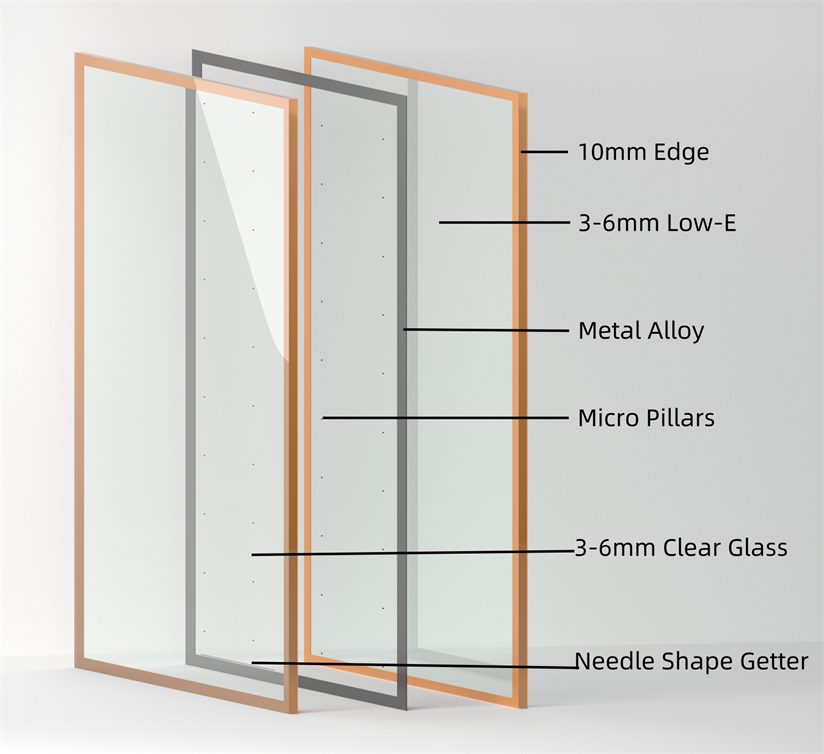
vacuum-insulating glass structure-HAANGLAS
For end users and specifiers, this transformation in pricing has real consequences. Vacuum insulating glass has always been positioned as a premium performance product, offering superior thermal insulation, reduced energy consumption, and slimmer profiles than traditional glazing solutions. Yet even premium products must align with customer budgets, and the recent price escalation has made specifying metal-sealed VIG more challenging. Smaller projects, renovation retrofits, and cost-sensitive developments that once considered VIG as a value-added option now find themselves questioning whether it fits within their financial frameworks.
The impact of these elevated prices extends across the supply chain. Architects and façade consultants are now budgeting larger contingencies for glazing packages. Installers are seeing pushback from clients reluctant to absorb the cost increases. And building owners are weighing alternative products that might deliver acceptable performance at lower cost. In some cases, projects that initially specified vacuum insulating glass have had to revert to conventional double or triple glazing due to budget constraints—a disappointing outcome for advocates of high-performance façades and energy-efficient buildings.
Amid this shift, it’s important to note that not all VIG products are equally affected by the silver price surge. VIG panels that rely on glass solder sealing technology rather than metal seals are far less exposed to silver price volatility. Glass solders use high-temperature glass frits or compatible glass materials to form the edge seal, eliminating the need for silver in the bonding interface between glass and metal. As a result, these glass-sealed vacuum panels have managed to maintain more stable production costs throughout the market disruption.
For budget-conscious customers and projects that still want to benefit from the remarkable insulating performance of vacuum glass—but without the premium price tag brought on by silver cost inflation—glass solder VIG represents a compelling alternative. While each technology has its respective performance and fabrication nuances, glass-sealed options often provide a strong balance of durability, thermal efficiency, and cost-effectiveness.
Choosing the right VIG solution therefore requires careful consideration of both performance goals and financial constraints. For many specifiers, understanding the differences between technologies can open up new possibilities. Companies like HaanGlas, a leading provider of vacuum glass solutions, now offer both metal-sealed and glass-sealed VIG options, giving customers the flexibility to select the approach that best aligns with their needs. Whether a project demands the specific mechanical properties characteristic of metal-sealed units or the cost advantages of glass solder technology, having both options available from a single trusted supplier simplifies decision-making and integration.
HaanGlas has built a reputation for innovation and quality in vacuum insulating glass. Their portfolio of products is showcased on their comprehensive website, where visitors can explore a range of solutions to different architectural and energy efficiency challenges. From standard VIG offerings to advanced, custom configurations, their team emphasizes both performance and adaptability. See more about their full suite of vacuum glass solutions here: https://vacuum-glass.com/vacuum-glass-solutions/.
For those just becoming familiar with vacuum insulating glass, HaanGlas also provides informative resources and product explanations at their main site: https://vacuum-glass.com/. Additionally, for comparisons between basic and professional options within their range, customers can visit https://vacuum-glass.com/basic-vs-pro/ to better understand which product best matches their performance goals and budget.
In conclusion, the silver price increases of 2025 have placed notable pressure on the production costs of metal-sealed vacuum insulating glass, leading to price adjustments that are now being felt throughout the market. These changes have challenged affordability for some buyers and have reinvigorated interest in alternative technologies—particularly glass solder sealed VIG—that are less impacted by silver cost volatility. With suppliers like HaanGlas offering a broad range of VIG options, customers have the opportunity to navigate these shifting market conditions with informed choices that support both performance and budget goals.

Leave A Comment
You must be logged in to post a comment.